How to Make Homemade Pasta Recipe
Introduction
Making homemade pasta is easier than you think and brings a fresh, delicious touch to any meal. With just a few simple ingredients, you can create tender pasta that outshines any store-bought version. Let’s walk through the process step by step.
Ingredients
- 2 ¼ to 2 ½ cups 00 flour or all-purpose flour (see instructions)
- 4 large eggs
- Additional flour for rolling
Instructions
- Step 1: On a flat surface, mound 2 ½ cups flour and create a well about 5 inches wide in the center.
- Step 2: Crack the eggs into the well and pierce each yolk with a fork. Whisk the eggs gently, gradually drawing flour into the mixture from the edges of the well.
- Step 3: If the well cracks, gently push it back together. If it breaks completely, add the flour into the eggs and begin kneading with your hands.
- Step 4: Once a shaggy dough forms, stop using the fork and knead the dough into a smooth ball by hand for about 5 minutes.
- Step 5: Wrap the dough in plastic wrap and let it rest at room temperature for 30 minutes.
- Step 6 (Optional): If using a stand mixer, combine 2 ¼ cups flour and eggs in the bowl with a paddle attachment. Mix on low to incorporate, then increase speed and beat for 5 minutes until smooth and elastic. Wrap and rest as above.
- Step 7: After resting, divide the dough into 4 equal pieces. Keep unused portions covered with a clean towel or plastic wrap.
- Step 8: To roll by hand, flatten a piece into a rectangle and roll on a floured surface to about 6 inches wide and 1/8 inch thick.
- Step 9: Cut the dough into 10 to 12 inch strips. Let sheets dry for 2 minutes, then dust with flour or semolina before cutting into your desired shape.
- Step 10: Fold sheets over and cut to make linguine, tagliatelle, or other shapes. Hang over a drying rack and dry for 30 minutes before storing or cooking immediately.
- Step 11 (Using a pasta machine): Flatten dough into a disk thinner at edges, dust roller with flour, and feed dough through widest setting. Fold into thirds and repeat 2-3 times per setting, rotating the dough until 1/8 inch thick.
- Step 12: Dust sheets with flour or semolina, cut, and dry as described above.
- Step 13: Bring a large pot of salted water to a rolling boil. Add pasta and stir to prevent sticking.
- Step 14: Cook fresh pasta for 90 seconds to 4 minutes depending on shape. Pasta will float to the top when done.
- Step 15: Reserve some pasta cooking water to adjust sauce consistency if desired. Drain pasta and toss with your favorite sauce.
Tips & Variations
- Use 00 flour for a silkier texture or all-purpose flour for a slightly heartier bite.
- Dust pasta sheets with semolina flour to prevent sticking and add a slightly nutty flavor.
- For a richer dough, add a tablespoon of olive oil or substitute one egg with two egg yolks.
- Experiment with herbs or spinach puree added to the dough for color and flavor variations.
Storage
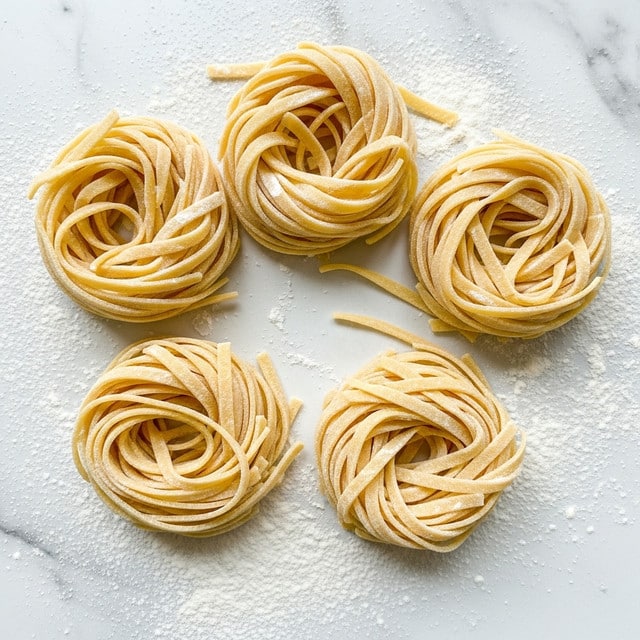
After cutting, dust pasta with flour and let it dry on a rack for 30 minutes. Fold into small nests and store in an airtight container lined with parchment paper. Fresh pasta can be refrigerated for up to 2 days or frozen for up to 3 months. To reheat, cook frozen pasta directly in boiling water without thawing until tender.
How to Serve
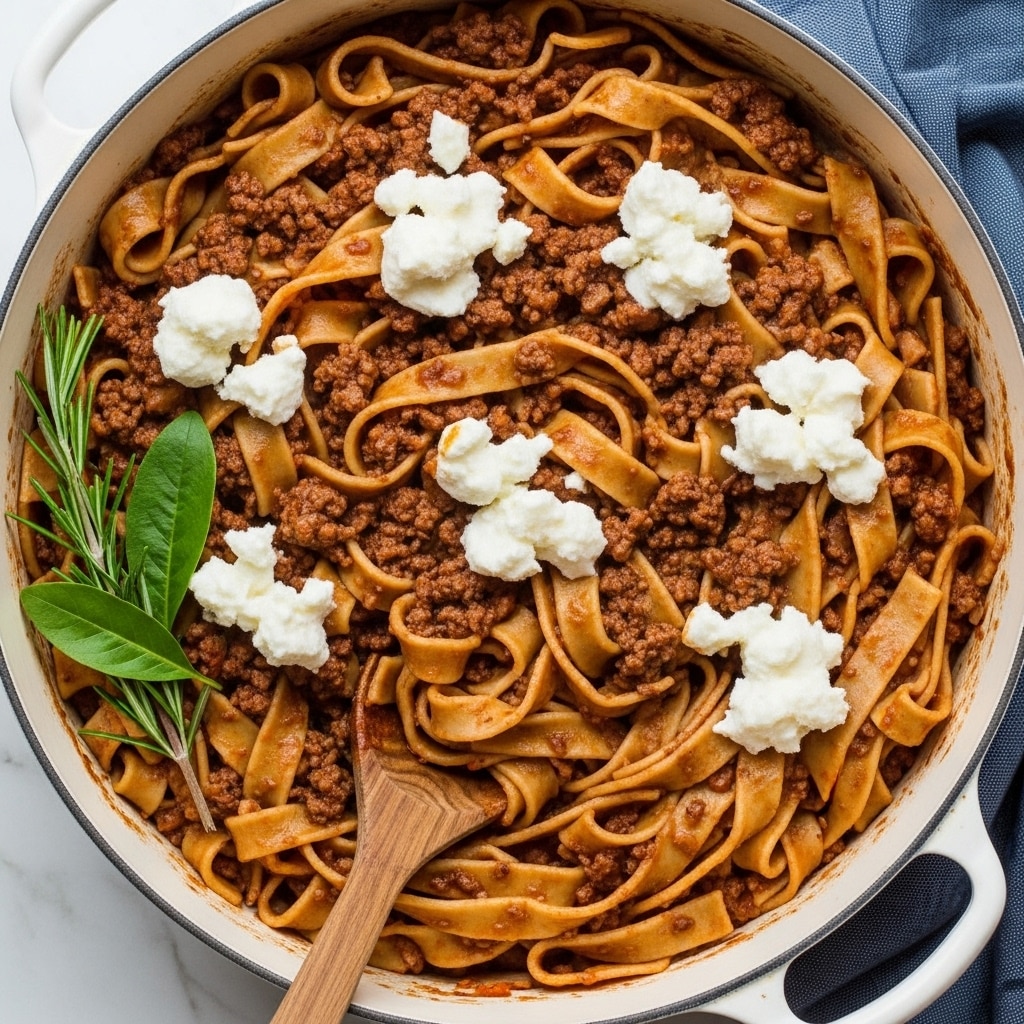
Serve this delicious recipe with your favorite sides.
FAQs
Can I use all-purpose flour instead of 00 flour?
Yes, all-purpose flour works well and is more widely available. 00 flour gives a finer, silkier texture but both produce excellent homemade pasta.
How do I know when the pasta dough has been kneaded enough?
The dough should feel smooth, elastic, and slightly tacky but not sticky. Kneading for about 5 minutes by hand or 5 minutes in a mixer usually achieves the right consistency.
Print
How to Make Homemade Pasta Recipe
- Total Time: 45 minutes
- Yield: 4 servings 1x
Description
Learn how to make authentic homemade pasta from scratch with simple ingredients and easy-to-follow steps. This classic Italian recipe guides you through making the dough by hand or with a stand mixer, rolling and cutting fresh pasta sheets, cooking to perfection, and storing your homemade pasta for later use.
Ingredients
For the Dough
- 2 ¼ to 2 ½ cups 00 flour or all-purpose flour (see instructions)
- 4 large eggs
- Additional flour for rolling
Instructions
- Making the dough by hand: On a flat surface, mound 2 ½ cups of flour and create a 5-inch wide well in the center. Add eggs to the well and pierce each yolk with a fork. Begin whisking the eggs, gradually incorporating flour from the edges. If the well cracks, push it back together or start kneading immediately if it breaks completely. When a shaggy dough forms, stop using the fork and knead the dough by hand into a ball.
- Kneading: Knead the dough for 5 minutes until smooth and elastic. Wrap it in plastic wrap and let it rest for 30 minutes to relax the gluten.
- Using a stand mixer: Place 2 ¼ cups of flour and eggs in the bowl with the paddle attachment. Mix on low speed to incorporate eggs, then increase to medium-high speed. Beat for 5 minutes until the dough is smooth and elastic. Wrap with plastic wrap and rest for 30 minutes.
- Rolling the dough: Unwrap and divide the dough into 4 equal pieces. Keep unused portions covered. Flatten one piece into a rectangle and roll out by hand on a floured surface to about 6 inches wide and 1/8 inch thick. Let dry for 2 minutes before dusting with flour or semolina. Alternatively, use a pasta machine: flatten dough into a disk thinner at edges, dust roller with flour, and roll through repeatedly folding dough into thirds until 1/8 inch thick.
- Cutting the pasta: Fold sheets over and cut into desired shapes like linguine or tagliatelle, about 10 to 12 inches long. Drape pasta over a drying rack and dry for 30 minutes before storing. If cooking immediately, drying can be skipped.
- Cooking pasta: Bring a large pot of generously salted water to a rolling boil. Add pasta while stirring to prevent sticking. Fresh pasta cooks quickly, usually between 90 seconds to 4 minutes depending on thickness. The pasta will rise to the surface when done. Reserve some pasta water before draining for sauce thickening.
- Storing homemade pasta: Dust cut pasta with flour and dry on a rack for 30 minutes. Form into nests and place in an airtight container lined with parchment paper. Refrigerate fresh pasta up to 2 days or freeze for up to 3 months.
Notes
- Using 00 flour yields a silky, smooth texture typical of Italian pasta, but all-purpose flour works fine.
- Resting the dough is crucial for easy rolling and better texture.
- If the dough is sticky, dust with additional flour but avoid adding too much to keep pasta tender.
- Fresh pasta cooks much faster than dried pasta, so watch carefully to avoid overcooking.
- Drying pasta before storing prevents sticking and helps with preservation.
- Reserve pasta water when cooking to help emulsify and thicken sauces.
- Prep Time: 10 minutes
- Cook Time: 4 minutes
- Category: Pasta
- Method: Stovetop
- Cuisine: Italian
Keywords: homemade pasta, fresh pasta recipe, Italian pasta dough, how to make pasta, pasta from scratch