Keto Sourdough Bread: A Low‑Carb Twist on a Classic Recipe
Introduction
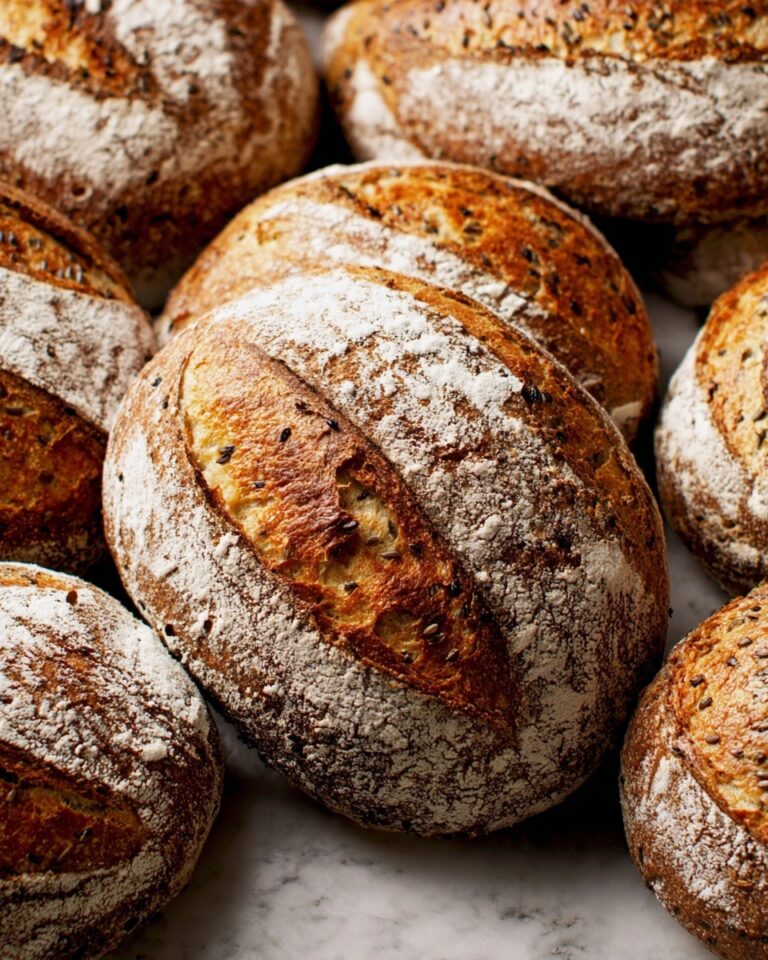
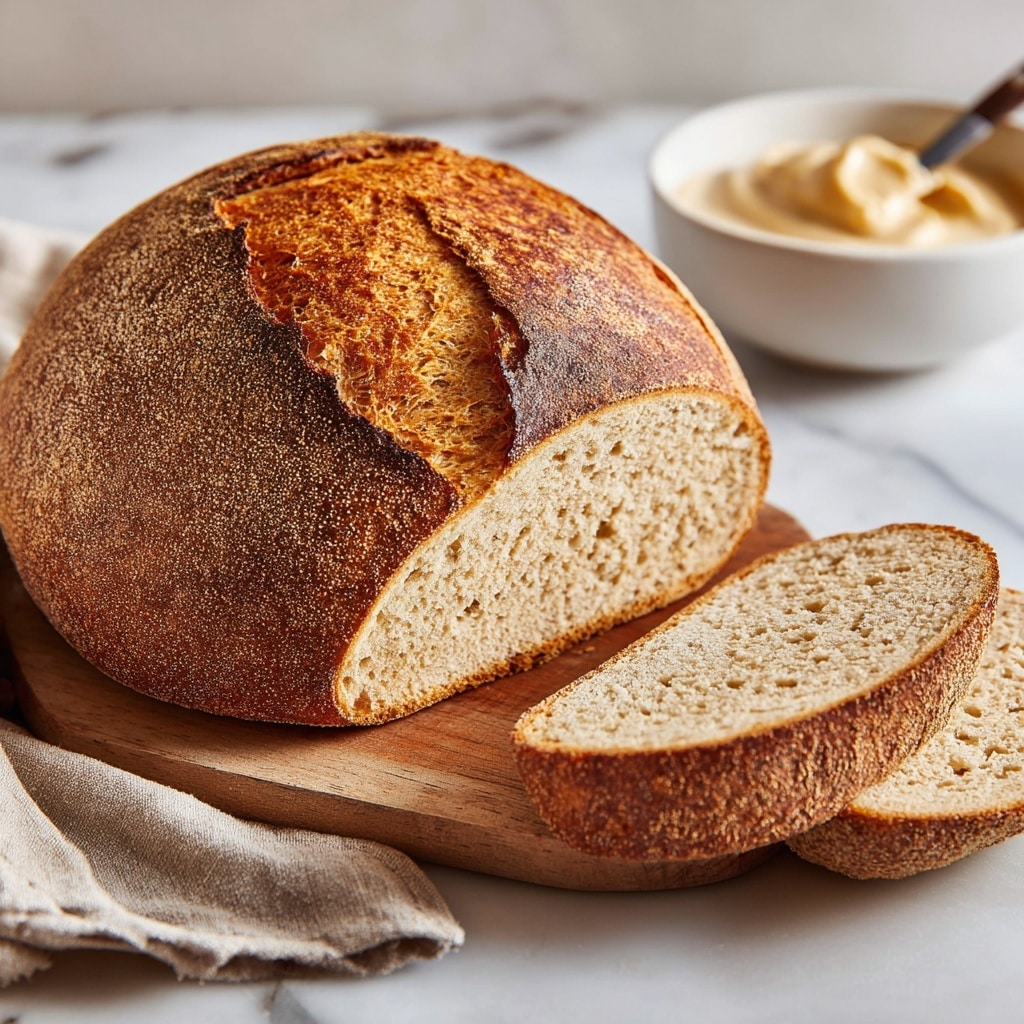
This Keto Sourdough Bread offers a low-carb twist on the classic favorite, perfect for those following ketogenic or low-carb diets. It combines the tangy flavor of traditional sourdough with almond and coconut flours to create a satisfying and nutritious loaf.
Ingredients
- 1½ cups almond flour
- ⅓ cup coconut flour
- 2 tbsp psyllium husk powder
- 1 tsp baking powder
- ½ tsp sea salt
- ¼ cup erythritol (optional for slight sweetness)
- 2 large eggs
- ¾ cup warm water
- 1 tbsp apple cider vinegar
- 100 g active keto sourdough starter
- 1 tbsp chia or flaxseeds
- 1 tsp dried rosemary or thyme
Instructions
- Step 1: If you don’t have an active keto starter, mix 50 g almond flour, 50 g water, and 1 tbsp apple cider vinegar in a jar. Cover and ferment for 8–12 hours, feeding with equal parts flour and water until bubbly.
- Step 2: In a large bowl, whisk together almond flour, coconut flour, psyllium husk powder, baking powder, sea salt, and erythritol.
- Step 3: Beat the eggs with warm water, vinegar, and 100 g of the active starter. Pour this mixture into the dry ingredients and stir until a sticky dough forms. Fold in chia or flaxseeds and dried herbs if using.
- Step 4: Cover the dough with a damp towel and let it rest in a warm place for 1–2 hours. Stretch and fold the dough every 30 minutes during the first hour to develop texture.
- Step 5: Lightly dust your work surface with almond flour. Shape the dough into a loaf and place it into a greased 8×4-inch pan. Cover and let it proof for 30–45 minutes in a warm spot.
- Step 6: Preheat your oven to 375°F (190°C). Score the top of the loaf with a sharp knife. Place a small pan of water on the oven floor to create steam, then bake the bread for 40–50 minutes until golden brown and an internal temperature of 200°F (93°C) is reached.
- Step 7: Remove the loaf from the oven and let it cool in the pan for 10 minutes. Then transfer to a wire rack and cool completely for at least 1 hour before slicing.
Tips & Variations
- Use psyllium husk powder to add moisture and structure, which helps mimic the texture of traditional bread.
- Adding herbs like rosemary or thyme enhances the flavor and pairs well with savory toppings.
- For a slightly sweet version, include erythritol; omit it if you prefer a strictly savory loaf.
- Make sure the starter is bubbly and active for best fermentation and flavor development.
Storage
Store the cooled bread wrapped tightly in plastic or in an airtight container at room temperature for up to 3 days. For longer storage, slice and freeze the bread; thaw slices at room temperature or toast directly from frozen before serving.
How to Serve
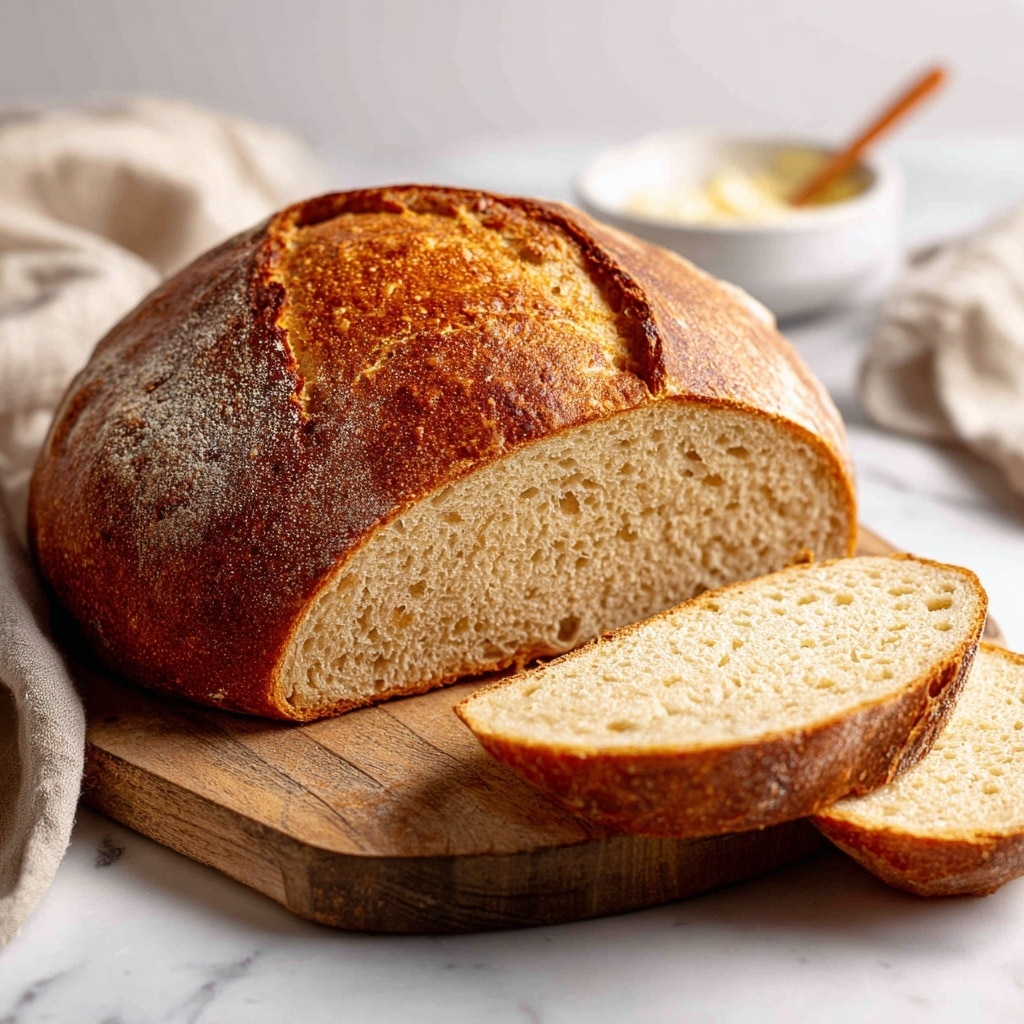
Serve this delicious recipe with your favorite sides.
FAQs
Can I use regular sourdough starter instead of keto starter?
Regular sourdough starter contains wheat flour, which adds carbs and is not suitable for a strict keto diet. For keto-friendly bread, use a sourdough starter made from almond or coconut flour.
What if I don’t have psyllium husk powder?
Psyllium husk is key for the bread’s structure and moisture. Chia or flaxseed meal can partially substitute, but the texture may be denser. It’s best to use psyllium husk powder for optimal results.
Print
Keto Sourdough Bread: A Low‑Carb Twist on a Classic Recipe
- Total Time: 3 hours 15 minutes
- Yield: 1 loaf (8×4-inch pan), about 12 slices 1x
- Diet: Low Carb
Description
This Keto Sourdough Bread offers a low-carb alternative to traditional sourdough, perfect for those following a ketogenic or low-carb lifestyle. Made with almond and coconut flours and activated with a keto-friendly sourdough starter, this bread incorporates psyllium husk for structure and a slight chew reminiscent of classic sourdough. Enhanced with optional chia or flaxseeds and herbs like rosemary or thyme, this recipe yields a golden, aromatic loaf with the tangy flavor and texture sourdough lovers crave, minus the carbs and gluten.
Ingredients
Dry Ingredients
- 1½ cups almond flour
- ⅓ cup coconut flour
- 2 tbsp psyllium husk powder
- 1 tsp baking powder
- ½ tsp sea salt
- ¼ cup erythritol (optional for slight sweetness)
Wet Ingredients
- 2 large eggs
- ¾ cup warm water
- 1 tbsp apple cider vinegar
- 100 g active keto sourdough starter
Optional Add-ins
- 1 tbsp chia or flaxseeds
- 1 tsp dried rosemary or thyme
Instructions
- Mix Starter (if needed): If you don’t have an active keto sourdough starter, create one by mixing 50 g almond flour, 50 g water, and 1 tbsp apple cider vinegar in a jar. Cover loosely and let ferment in a warm place for 8 to 12 hours, feeding with equal parts flour and water until it becomes bubbly and active.
- Combine Dry Ingredients: In a large bowl, whisk together the almond flour, coconut flour, psyllium husk powder, baking powder, sea salt, and erythritol until evenly combined.
- Add Wet Ingredients: Beat the eggs with the warm water, apple cider vinegar, and 100 g of active keto sourdough starter. Pour this wet mixture into the dry ingredients and stir well until a sticky dough forms. Fold in the chia or flaxseeds and dried herbs, if using, to add texture and flavor.
- Bulk Fermentation: Cover the dough with a damp towel and let it rest in a warm spot for 1 to 2 hours. During the first hour, perform a stretch and fold of the dough every 30 minutes to develop structure and gluten-like texture.
- Shape & Proof: Lightly dust your work surface with almond flour. Shape the dough into a loaf and place it into a greased 8×4-inch loaf pan. Cover and allow the dough to proof in a warm area for 30 to 45 minutes until it slightly rises.
- Preheat & Bake: Preheat your oven to 375°F (190°C). Just before baking, score the top of the loaf with a sharp knife to allow controlled expansion. Place a small oven-safe pan filled with water on the oven floor to create steam, which helps develop the crust. Bake the loaf for 40 to 50 minutes until the crust is golden and the internal temperature reaches around 200°F (93°C).
- Cool: Remove the bread from the oven and let it cool in the pan for 10 minutes. Then transfer the loaf to a wire rack and allow it to cool completely for at least 1 hour before slicing to ensure the crumb sets properly.
Notes
- Ensure your keto sourdough starter is active and bubbly before use to achieve proper fermentation.
- Psyllium husk powder is essential for structure and moisture retention; do not omit.
- You can choose to omit erythritol if you prefer a savory bread without sweetness.
- Adding herbs and seeds enhances flavor and texture but is optional.
- Using steam during baking helps develop a crust similar to traditional sourdough.
- Cool the bread fully before slicing to prevent crumbling.
- This bread is best stored wrapped tightly at room temperature for up to 3 days or frozen for longer storage.
- Prep Time: 15 minutes
- Cook Time: 45 minutes
- Category: Bread
- Method: Baking
- Cuisine: Keto
Keywords: keto sourdough bread, low carb bread, almond flour bread, keto bread recipe, sourdough keto, gluten free keto bread, psyllium husk bread